
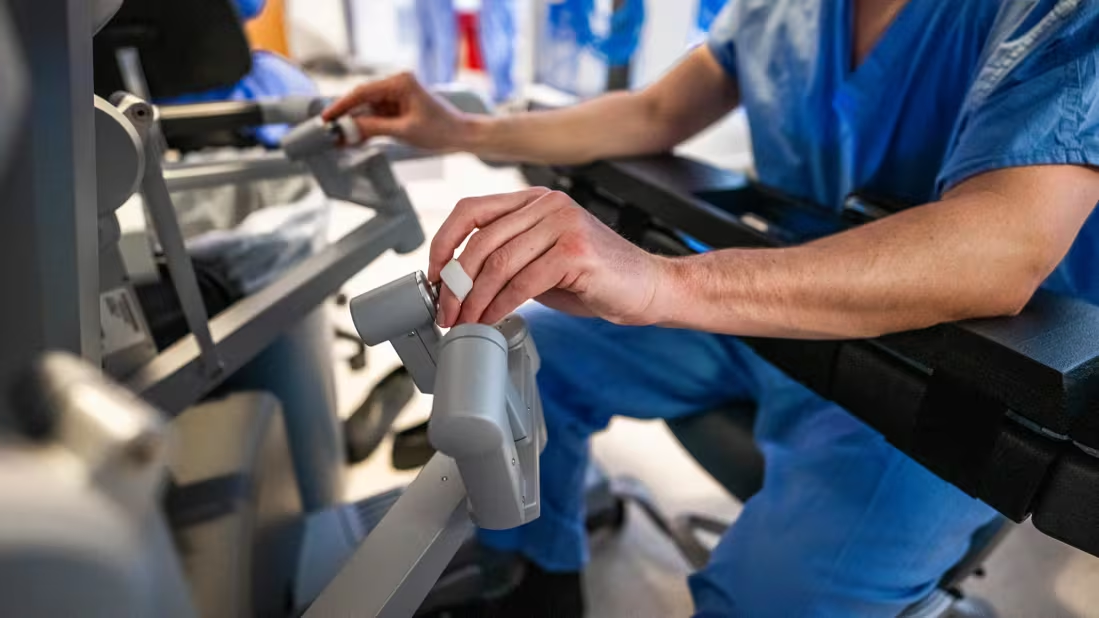
Bladder cancer is one of the most challenging malignancies within urology, especially when it reaches stages that require complete bladder removal. In such cases, surgery must achieve two critical goals: complete cancer control and restoration of urinary function in a way that preserves quality of life. This is where Robotic Radical Cystectomy and Intracorporial Ileal Neobladder has emerged as one of the most advanced surgical solutions in modern urologic oncology.
This complex procedure combines robotic precision with sophisticated reconstructive surgery, allowing both bladder removal and urinary diversion to be performed entirely inside the body. When led by a highly experienced surgeon, it offers superior precision, reduced complications, and better functional outcomes. In this field, the role of the surgeon is decisive, and the experience of Ahmed Ashmawy is central to achieving safe and durable results.
Understanding Robotic Radical Cystectomy
Robotic radical cystectomy is a minimally invasive operation in which the urinary bladder is completely removed using robotic assistance. The procedure is typically indicated for muscle-invasive bladder cancer or high-risk non–muscle-invasive disease that cannot be controlled with conservative treatments.
Dr Ahmed Ashmawy approaches robotic radical cystectomy with a strong emphasis on oncological safety, ensuring that tumor removal is complete while minimizing trauma to surrounding organs. Robotic technology allows him to work with enhanced visualization and precision in the deep pelvic space, which is critical in complex bladder cancer surgery.
What Is an Intracorporial Ileal Neobladder?
After bladder removal, urine must be diverted in a way that allows safe storage and elimination. An intracorporial ileal neobladder is a reconstructed urinary reservoir created from a segment of the small intestine entirely inside the body using robotic instruments.
Dr Ahmed Ashmawy considers intracorporial ileal neobladder reconstruction a key advancement in bladder cancer surgery. Performing the reconstruction intracorporially avoids large incisions, reduces bowel handling, and supports faster recovery while providing patients with a more natural method of urination.
Why Combine Robotic Radical Cystectomy with Intracorporial Neobladder?
The combination of robotic radical cystectomy and intracorporial ileal neobladder represents the highest level of technical sophistication in urologic surgery. It allows both cancer removal and urinary reconstruction to be performed through small incisions with robotic precision.
Under the expertise of Dr Ahmed Ashmawy, this combined approach offers:
- Precise oncological resection
- Reduced blood loss
- Minimal bowel exposure
- Improved postoperative recovery
- Enhanced functional outcomes
This integration of cancer surgery and reconstruction reflects a modern, patient-centered philosophy of care.
The Importance of Surgeon Experience in This Procedure
Robotic radical cystectomy with intracorporial ileal neobladder is among the most technically demanding operations in urology. It requires advanced robotic skills, deep anatomical knowledge, and extensive reconstructive experience.
Dr Ahmed Ashmawy’s role is pivotal because:
- He performs meticulous pelvic dissection to ensure cancer clearance
- He applies refined reconstructive techniques for neobladder creation
- He individualizes surgical decisions based on patient anatomy and disease stage
- He minimizes complications through precise operative planning
The success of this procedure depends far more on surgeon expertise than on technology alone.
Patient Selection and Preoperative Planning
Not every patient is a candidate for intracorporial ileal neobladder reconstruction. Proper selection is essential for safety and long-term success.
Dr Ahmed Ashmawy conducts thorough preoperative evaluations that include:
- Cancer staging and imaging review
- Renal function assessment
- Evaluation of bowel health
- Discussion of patient lifestyle and expectations
This careful planning ensures that robotic radical cystectomy and intracorporial ileal neobladder are offered only when they provide a real advantage for the patient.
Oncological Precision in Robotic Radical Cystectomy
Cancer control is the primary objective of radical cystectomy. Robotic assistance allows Dr Ahmed Ashmawy to perform precise lymph node dissection and meticulous removal of the bladder with clear surgical margins.
The robotic approach enhances:
- Visualization of critical structures
- Accurate dissection in confined pelvic spaces
- Consistent oncological technique
These factors contribute to strong cancer outcomes when the procedure is performed by an experienced surgeon.
Functional Benefits of Intracorporial Ileal Neobladder
One of the main reasons patients seek intracorporial ileal neobladder reconstruction is the potential for a more natural urinary function after bladder removal.
Dr Ahmed Ashmawy focuses on:
- Creating a well-shaped, low-pressure reservoir
- Ensuring proper connection to the urethra
- Preserving continence mechanisms when possible
This attention to detail supports better long-term urinary control and patient satisfaction.
Robotic Approach vs Traditional Open Surgery
Compared with open radical cystectomy, robotic radical cystectomy with intracorporial ileal neobladder offers significant advantages, especially in experienced hands.
Dr Ahmed Ashmawy’s robotic approach provides:
- Smaller incisions
- Less postoperative pain
- Reduced blood loss
- Faster bowel recovery
- Shorter hospital stay
These benefits are particularly valuable in a procedure as extensive as bladder removal and reconstruction.
Recovery and Postoperative Care
Recovery after robotic radical cystectomy and intracorporial ileal neobladder is highly influenced by surgical technique and postoperative management.
Dr Ahmed Ashmawy emphasizes:
- Early mobilization
- Structured recovery protocols
- Close monitoring of renal and bowel function
- Long-term follow-up for oncological and functional outcomes
This comprehensive care pathway helps patients regain stability and confidence after surgery.
Long-Term Outcomes and Quality of Life
The ultimate success of robotic radical cystectomy and intracorporial ileal neobladder is measured not only by cancer control but also by long-term quality of life.
Patients treated under the care of Dr Ahmed Ashmawy benefit from:
- Durable cancer outcomes
- Preservation of body image
- Improved urinary function compared with external diversion
- Ongoing specialist follow-up
These elements reflect a holistic approach to bladder cancer treatment.
Why Patients Choose Dr Ahmed Ashmawy for This Complex Surgery
Patients facing bladder cancer often search for a surgeon who combines advanced technology with genuine expertise. Dr Ahmed Ashmawy is recognized for his leadership in complex robotic urologic surgery and his ability to perform both radical cystectomy and intracorporial neobladder reconstruction with precision.
His practice is built on:
- Advanced robotic surgical experience
- Strong oncological principles
- Expertise in urinary reconstruction
- Commitment to long-term patient outcomes
This combination makes him a trusted choice for patients requiring the most advanced surgical care.
The Future of Bladder Cancer Surgery
Robotic radical cystectomy and intracorporial ileal neobladder represent the future of bladder cancer surgery, where precision, safety, and quality of life are addressed simultaneously.
With experienced surgeons like Dr Ahmed Ashmawy leading these procedures, patients can access world-class surgical care that aligns modern technology with expert clinical judgment.
Final Thoughts
Robotic radical cystectomy and intracorporial ileal neobladder is one of the most advanced and demanding procedures in urologic oncology. Its success depends on meticulous cancer surgery, refined reconstructive technique, and experienced surgical leadership.
Under the care of Dr Ahmed Ashmawy, this complex operation becomes a carefully planned and expertly executed treatment strategy that prioritizes cancer control, functional restoration, and long-term quality of life, offering patients a confident path forward after bladder cancer diagnosis.